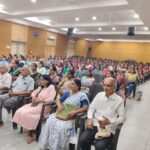
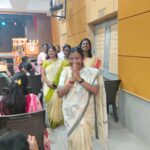
'श्रावणसरी' उत्सव
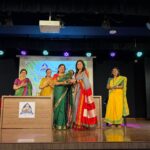
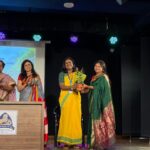
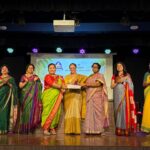
२५ ऑगस्ट २०२६, रोजी सकाळच्या सत्रात बहुप्रतीक्षित श्रावणी गौरी स्पर्धेचे आयोजन करण्यात आले होते. विविध पार्श्वभूमीच्या महिला स्पर्धकांनी परंपरा, संस्कृती आणि विविध कला प्रकारांचे सुंदर सादरीकरण करून आपली सर्जनशीलता दाखवली. सर्व स्पर्धांचे परीक्षण संस्थेच्या माजी विद्यार्थिनींनी केले, ज्या सध्या विविध व्यावसायिक क्षेत्रांमध्ये उत्कृष्ट कामगिरी करत आहेत.
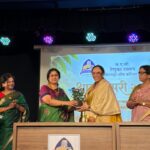
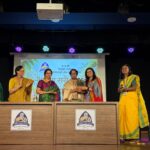
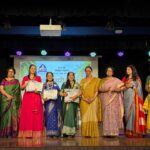
दुपारच्या सत्रात शासनमान्य बालवाडी शिक्षक प्रशिक्षण अभ्यासक्रम, शासनमान्य प्री प्रायमरी टीचर्स ट्रेनिंग कोर्स (इंग्रजी माध्यम) तसेच फॅशन डिझायनिंग अभ्यासक्रमाच्या विद्यार्थिनींना प्रमाणपत्रांचे वितरण करण्यात आले. यानंतर श्रावण सरी बक्षीस वितरण समारंभ पार पडला, ज्यामध्ये सर्व स्पर्धांच्या विजेत्यांचा सत्कार करण्यात आला.
प्रमुख पाहुण्या म्हणून प्रतिष्ठित उद्योजिका श्रीमती वर्षा चितळे आणि मान्यवर अतिथी श्रीमती शामा घोणसे उपस्थित होत्या.
समारोप समारंभाला डॉ. मानसी भाटे (संस्थेच्या महामात्रा), श्रीमती आनंदीताई पाटील (म ए सो च्या उपाध्यक्षा, संस्थेच्या अध्यक्षा), श्रीमती शुभांगी कांबळे (संचालिका) आणि श्रीमती सारिका वाघ (समन्वयक) उपस्थित होत्या.
'श्रावणसरी' महोत्सवाने संस्थेतील महिलांना त्यांच्या सुप्त कलागुणांना आणि कलात्मक कौशल्यांना वाव देण्यासाठी एक उत्तम व्यासपीठ उपलब्ध करून दिले. अनेक सहभागींनी आपली कला पहिल्यांदाच रंगमंचावर सादर केली, ज्यामुळे त्यांचा आत्मविश्वास मोठ्या प्रमाणात वाढला. श्रावण महिन्याच्या या उत्साही सोहळ्याने संपूर्ण संस्थेच्या वातावरणात आनंद, उत्सव आणि एकोपा निर्माण केला.
Bhondla and Dandiya-Garba Programme
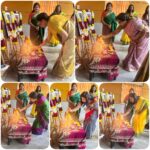
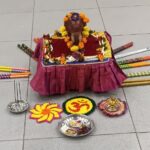
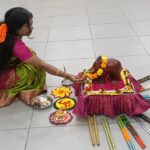
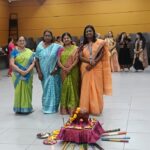
To preserve the importance of traditional Indian festivals and cultural celebrations, M.E.S. Renuka Swaroop Institute of Career Courses organised a Bhondla, Dandiya and Garba Programme on 21st October 2026.
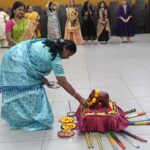
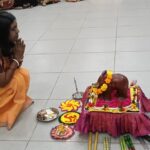
The programme began in a joyful and enthusiastic atmosphere. The elephant worship ritual was performed by Mrs. Shubhangi Kamble, Principal of Renuka Swaroop School and Director of the Career Institute; Mrs. Lalita Karande, Principal of Bhave Primary School; Mrs. Medha Date, Principal of Bhave Pre-Primary School; and Mrs. Sarika Wagh, Coordinator of the Career Institute.
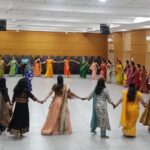
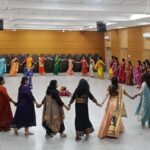
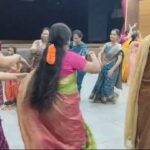
The trainees participated enthusiastically in traditional Bhondla songs, circle games, Dandiya and Garba. The programme provided them with an opportunity to learn about the customs and traditions of Indian culture. Their collective participation fostered joy, unity, and cultural awareness.
At the end of the programme, everyone enjoyed the traditional Khirapat (festive offerings and refreshments). The entire programme concluded in a joyful, enthusiastic, and culturally vibrant atmosphere.
Such activities help students understand the significance of their cultural heritage and inspire them to preserve and carry forward these rich traditions.
आदिवासी बांधवांच्या मनातील संकल्प हाच विकासाचा प्रकल्प - पद्मश्री डॉ. बुधरी ताती
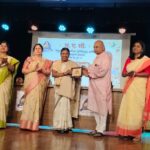
Pune, October 23: Padma Shri Dr. Budhri Tati, a senior social worker dedicated to the development of tribal communities in the Naxal-affected region of Bastar, Chhattisgarh, was felicitated today (Friday, October 23, 2026) by MES Renuka Swaroop Institute of Career Courses and MES Renuka Swaroop School.
The felicitation ceremony was held at the hands of Pradeep Naik, Vice President of Maharashtra Education Society (MES), in the presence of Mrs. Anandi Patil, Vice President of the Governing Council of the Society. Sarika Wagh, Coordinator of the Career Institute, and Shubhangi Kamble, Principal of Renuka Swaroop School, were also present on the dais.
Born into a humble family in Bastar, one of the most underdeveloped regions of Chhattisgarh, which has long suffered from Naxalite violence, Dr. Budhri Tati completed her education despite the threats and terror of Naxalites. Since 1984, she has been working tirelessly for the development of her tribal community. In recognition of her outstanding contribution, the Government of India honoured her with the prestigious Padma Shri award this year.
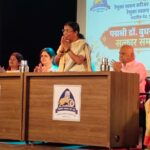
Responding to the felicitation, Dr. Budhri Tati said that her mission had always been to nurture individuals through the three guiding principles of education, self-reliance and social service. By awakening social consciousness and inspiring people from within, she has helped tribal communities develop a collective resolve for their own progress. She emphasised that the aspirations and determination of tribal people themselves constitute the true development project, adding that she had not built any physical infrastructure but had focused on bringing about transformation in people's lives.
Recounting her life journey, Dr. Tati explained that at the age of 15, she left home, setting aside prevailing social conventions. She subsequently underwent three months of training in Nagpur through the Akhil Bharatiya Vanvasi Kalyan Ashram and the Rashtra Sevika Samiti. After a year, she returned to her native region and spent another year travelling extensively, establishing contact with people in 555 villages. Her efforts inspired 12 women to join her mission.
She went on to make approximately 500 women, aged between 30 and 40, literate in a tribal community that was largely uneducated and lived in extreme poverty. Initially, many families would shut their doors at the very mention of education. However, through her persistent efforts, community members gradually began participating in educational initiatives.
As a result, several people from the once-underdeveloped Bastar region have now secured stable livelihoods, including employment in special police forces and various other sectors.
Dr. Tati also highlighted significant improvements in the lives of tribal communities across Chhattisgarh. These include the adoption of healthier lifestyles, seeking medical treatment, overcoming addiction, promoting agricultural development, creating livelihood opportunities through forest produce, and protecting the environment. She illustrated these changes through several examples from her work.
In her introductory remarks, Mrs. Anandi Patil spoke about the initiatives undertaken by Maharashtra Education Society to promote women's empowerment.
In his presidential address, Pradeep Naik stated that Dr. Budhri Tati's work had instilled inner strength and confidence among tribal communities, contributing to the Central Government's success in bringing Naxalite activities under control in seven to eight states across the country. Referring to the inspiring incidents narrated by Dr. Tati, he described them as stories that exemplify the spirit of “Yuddhasya Katha Ramyaah”—the compelling and inspiring accounts of a struggle. He encouraged everyone to draw meaningful lessons from her experiences and contribute towards the development of society.
The programme was compered by Vrushali Lele.